Auditory decline frequently manifests as an incremental process, making it likely to be ignored during its early development. Many people adjust without realizing it by turning up the TV volume, requesting frequent repetitions, or avoiding crowded environments.
But recognizing the early signs of hearing loss is a priority.
Recognizing Typical Early-Stage Hearing Loss Symptoms
Should you encounter any of these indicators, consider arranging a professional hearing assessment to establish a baseline.
- Difficulty understanding conversations, especially in crowded settings with a lot of activity.
- A regular need of asking for verbal repetitions during daily interactions.
- The perception of muffled or slurred speech where words appear to merge.
- Requiring increased decibel settings for media than is typical.
- Reduced sensitivity to high-frequency acoustic signals such as bird songs or household alerts.
- Persistent ear ringing or humming associated with tinnitus.
- Mental drain following dialogue caused by persistent listening effort.
- Withdrawing from social situations because conversations feel overwhelming.
These early signs of hearing loss can affect either ear and can be intermittent at first. Because the brain adapts quickly, many people don’t realize the extent of their subconscious adjustments until hearing loss advances further.
Understanding Hearing Impairment Through Data
The World Health Organization estimates that hearing rehabilitation requirements will impact 700 million people by 2050. Other significant statistics involve:
- By 2050, approximately 2.5 billion people are expected to experience various levels of hearing loss.
- Over 5% of the world’s population (430 million people) necessitates support to address disabling hearing loss.
- In excess of 1 billion young adults face the threat of permanent hearing loss resulting from hazardous acoustic habits.
- Among those aged 60 and older, over 25% have clinically significant hearing loss.
The Value of Early Hearing Loss Detection
Neglecting auditory shifts can have systemic health consequences that are frequently overlooked.
Clinical evidence shows a clear association between untreated hearing loss and mental health risks, including isolation and depression.
Recognizing changes early on promotes optimal results and diverse therapeutic choices.
An evaluation differentiates between age-related decline, earwax buildup, or other health conditions.
Under certain conditions, hearing changes are temporary and treatable.
In others, early use of hearing devices or protective strategies can slow progression.
When to See a Hearing Specialist
It is advisable to seek an evaluation with a hearing specialist if:
- Early signs last longer than a few weeks.
- Changes in hearing impact occupational performance and social life.
- Instances of acute hearing loss, vertigo, or persistent ringing require urgent clinical attention.
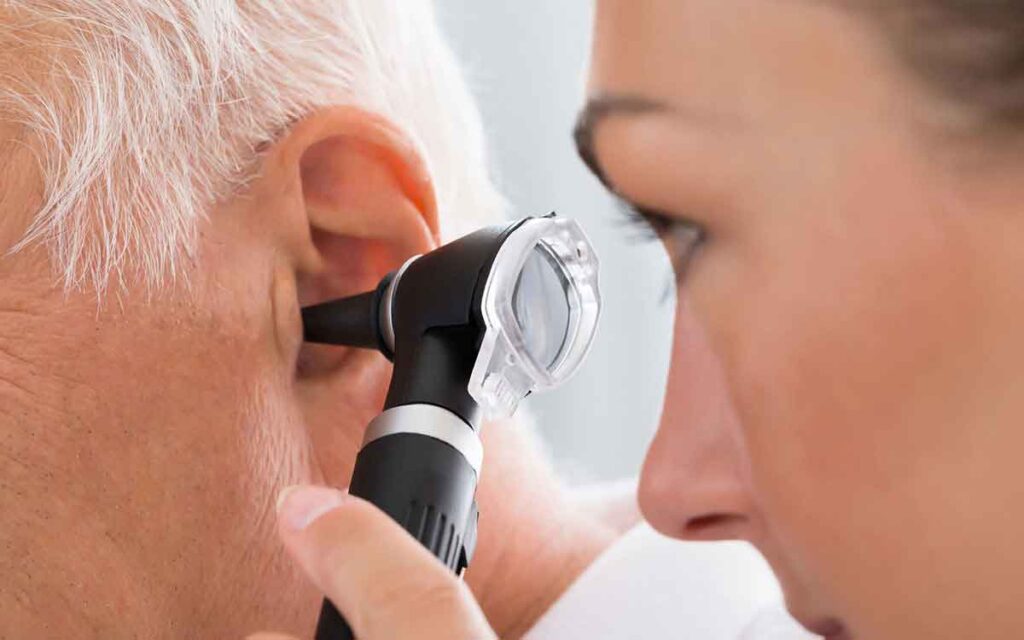
Assessments for hearing are noninvasive procedures, yielding essential information regarding your physiological hearing status.
We invite you to reach out to our clinic if you feel a hearing screening is necessary.
Auditory Health FAQ: Initial Symptoms
Question: Does hearing loss only occur with aging?
A: No, while aging is a factor, hearing loss can be precipitated by acoustic trauma, infection, or systemic health issues.
Question: Is it possible to restore lost hearing?
Answer: Certain etiologies, such as earwax impaction or localized infection, are treatable. While other forms are irreversible, they can usually be managed with professional treatment or hearing technology.
Q: How often should hearing be checked?
Answer: It is recommended that adults obtain a baseline assessment by age 50, with earlier testing for those with specific risk factors.